French supermarket fridge cyberattack: what happens to food when refrigeration fails?
A cyberattack disrupted refrigeration in French supermarkets. Here's why temperature matters and what UK shoppers should know about defrosted food.


A cyberattack disrupted refrigeration in French supermarkets. Here's why temperature matters and what UK shoppers should know about defrosted food.
Boiling, steaming and microwaving affect vitamin C, glucosinolates, colour and texture differently. Here's what the research actually shows.
Soybeans, soy milk and protein isolates come from the same ingredient but are not nutritionally identical. Here's what processing changes and what to check on the label.
Fresh chestnuts contain more moisture than most nuts. Learn where to store them, how to reduce mould and drying, and when freezing makes sense.
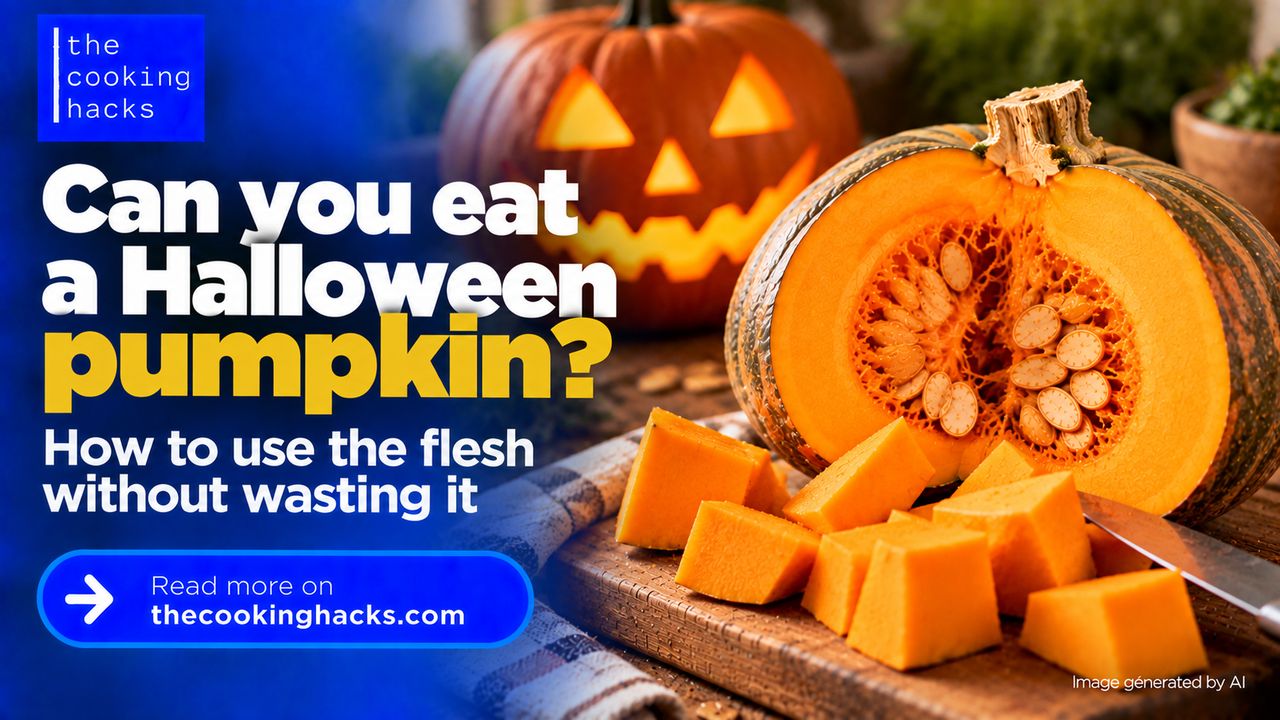
Not every Halloween pumpkin is meant for eating. Learn which pumpkins are edible and how to save the flesh and seeds safely while carving.
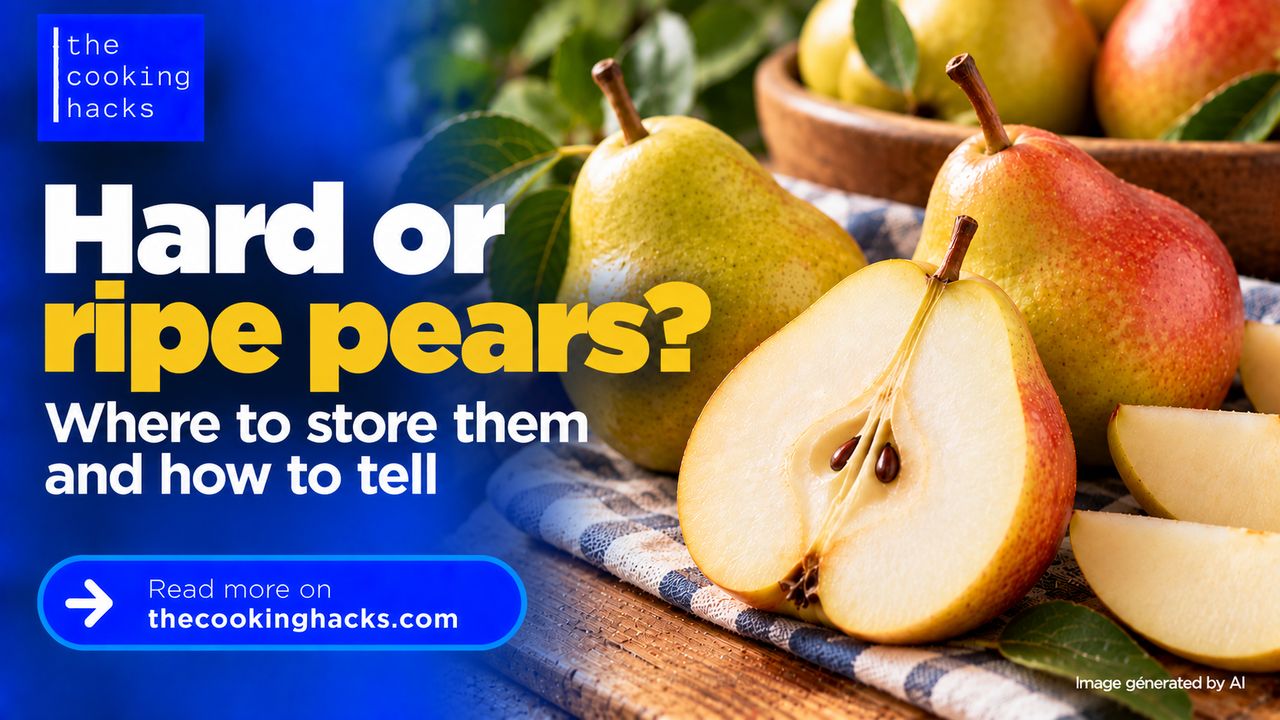
Hard or ripe pears, learn how to tell when they are ready to eat, when to leave them on the counter and when to move them to the fridge.
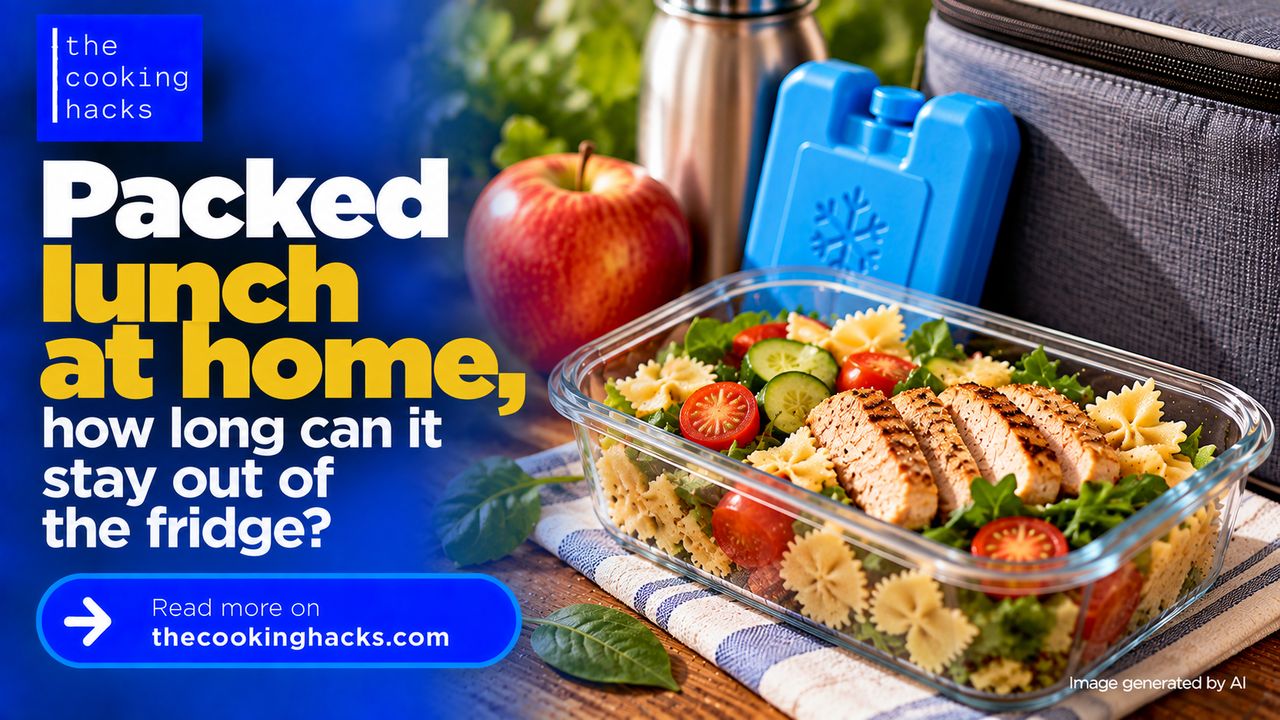
How long can a packed lunch stay out of the fridge? Learn which foods need cooling, how to use ice packs and how to transport lunch safely.
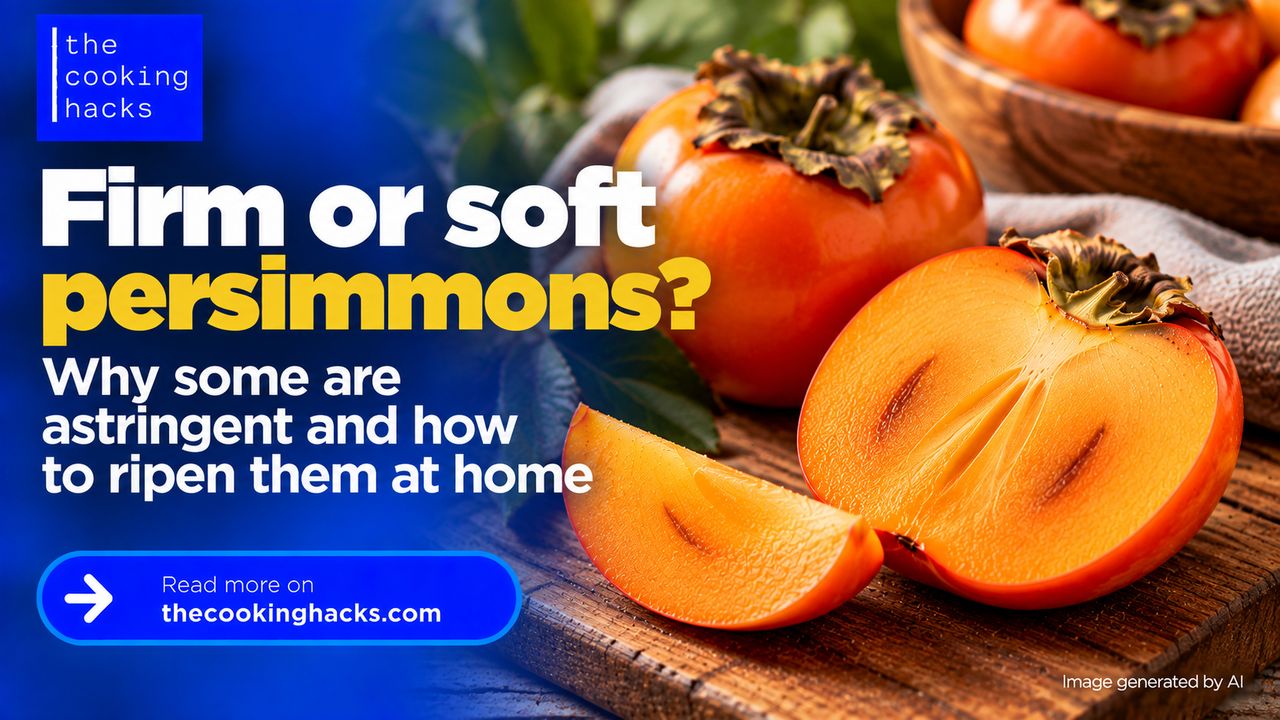
Why can some persimmons be eaten firm while others need to become soft? Learn how tannins cause astringency and how to ripen persimmons at home.
Paper filter, espresso and French press do more than change flavour. Brewing method also affects how much cafestol and kahweol reaches your cup.
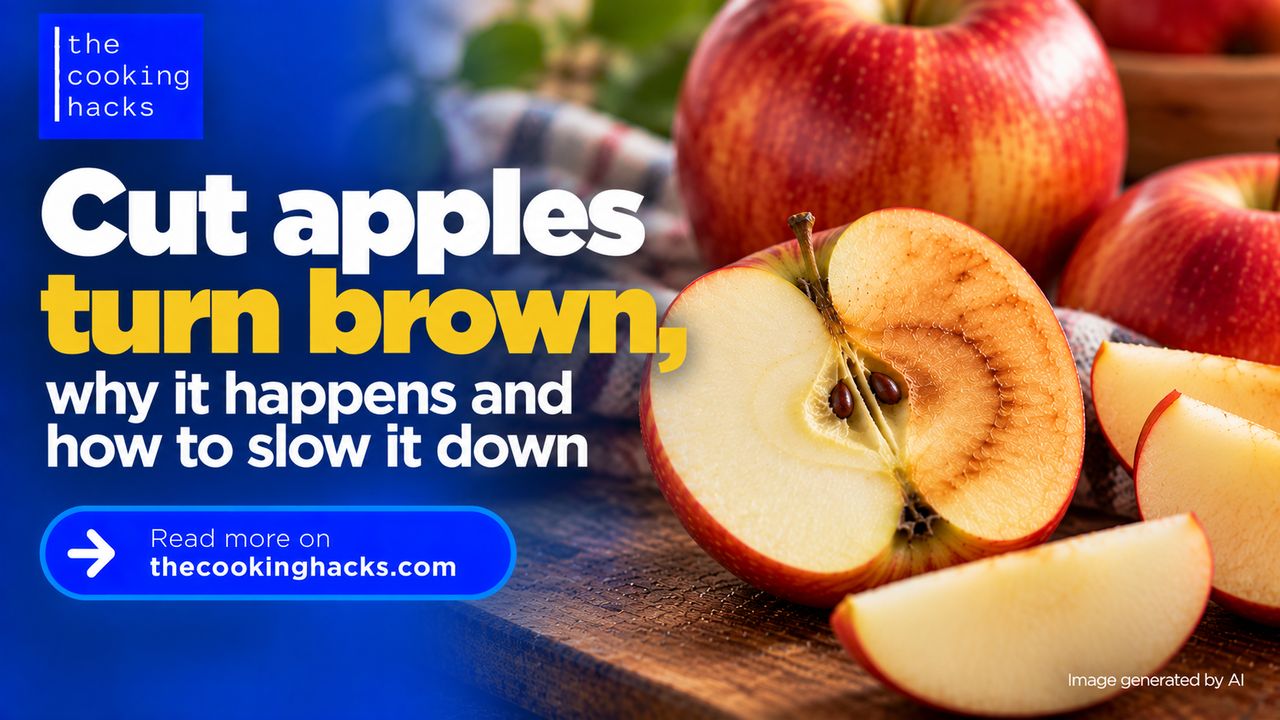
Why do cut apples turn brown? Learn what causes enzymatic browning and how lemon juice, refrigeration and proper storage can help slow it.
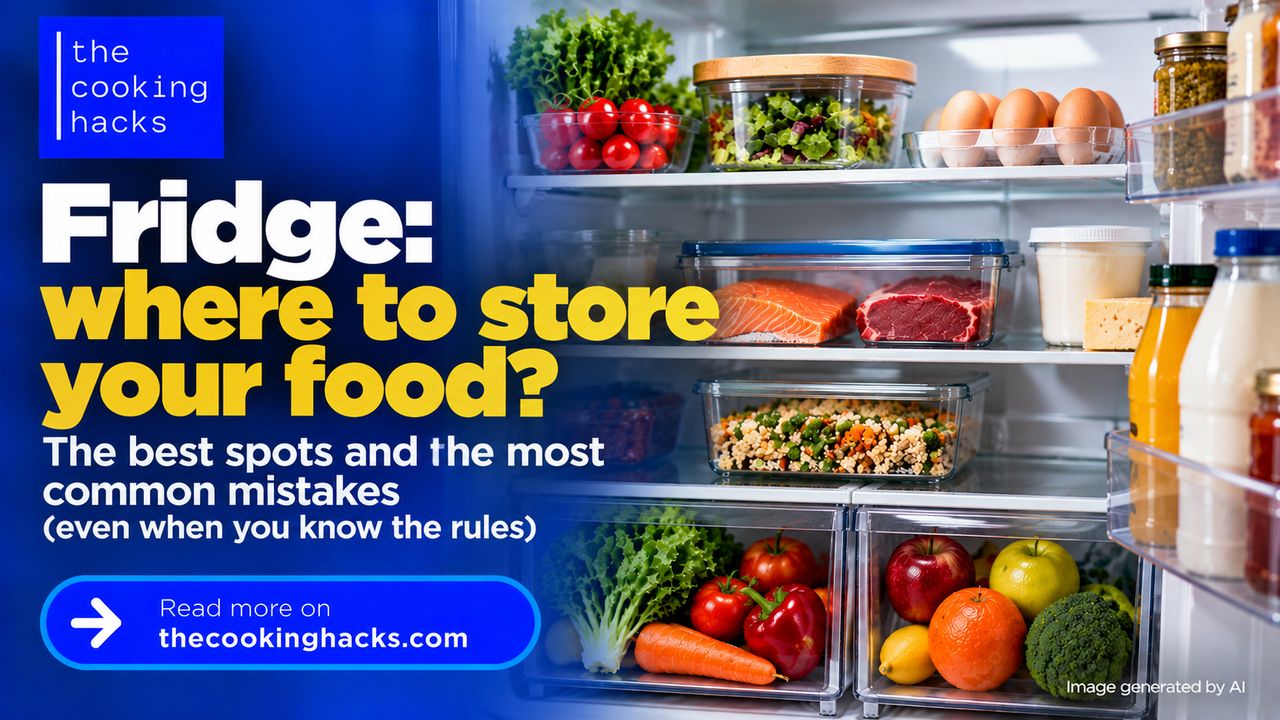
Raw meat, eggs, leftovers and produce should not simply go wherever there is space. Research shows why knowing food-safety rules does not always translate into safer habits.
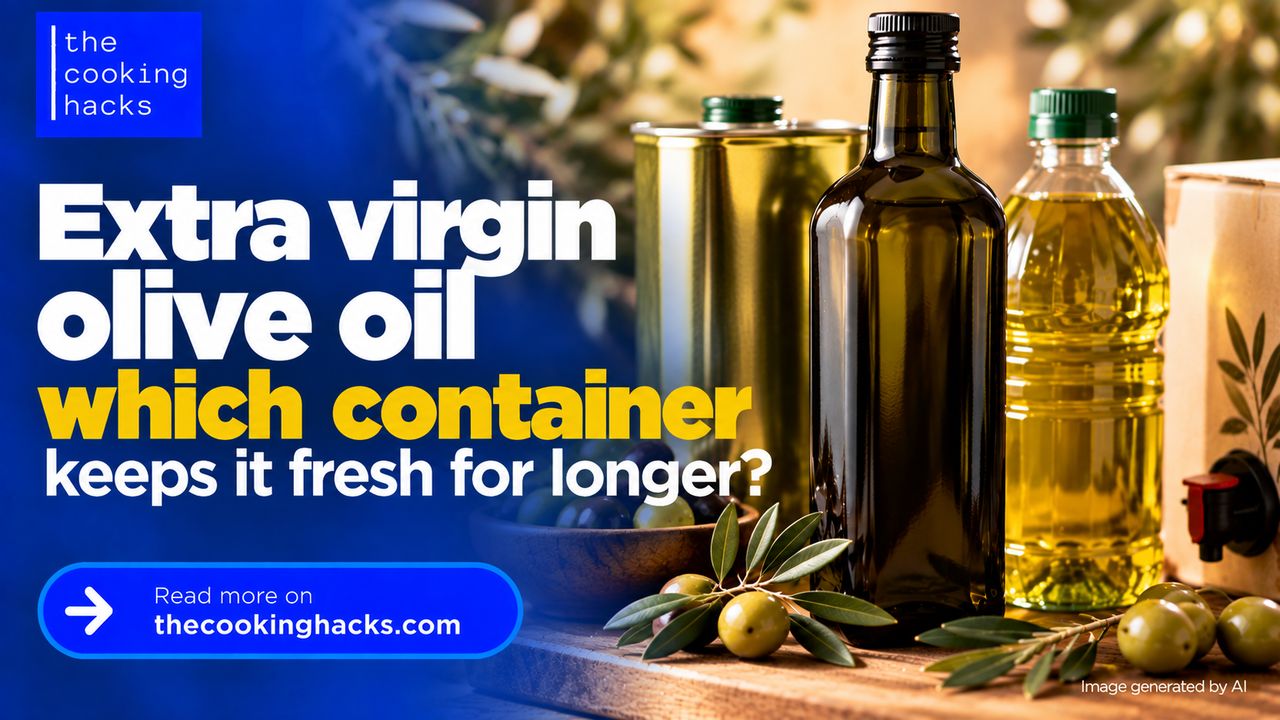
Dark glass, metal, plastic and bag-in-box packaging do not protect extra virgin olive oil in the same way. Here is what the latest research means at home.