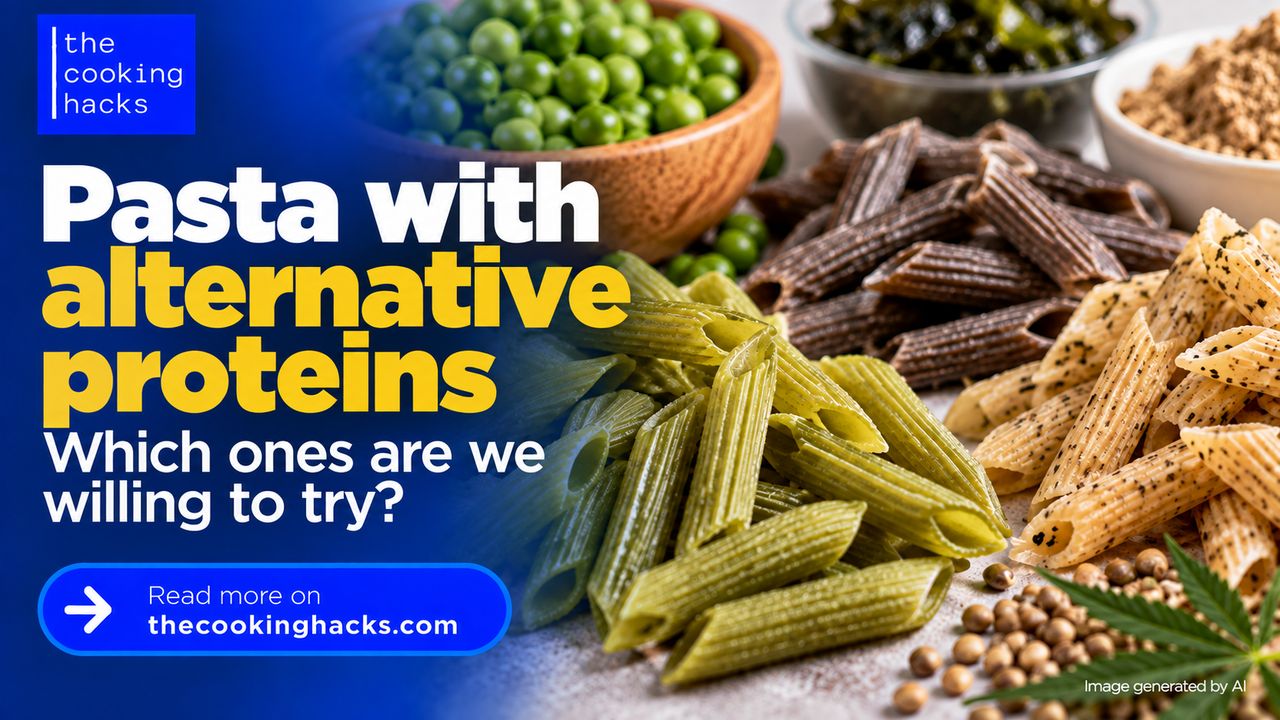
Pea, hemp, seaweed or insect pasta: what makes people willing to try it?
Pea, hemp, seaweed or insect pasta? An Italian study explores how food neophobia affects willingness to try unfamiliar foods.


Pea, hemp, seaweed or insect pasta? An Italian study explores how food neophobia affects willingness to try unfamiliar foods.
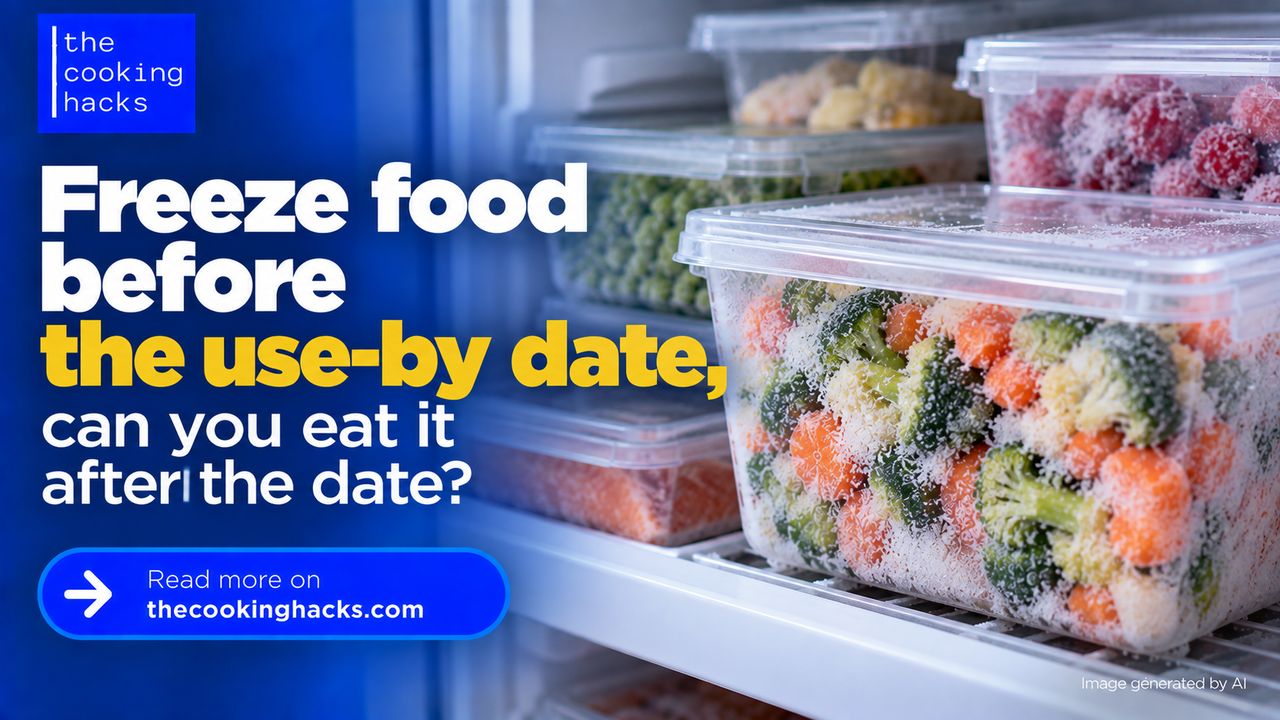
Freezing food before its date can extend storage, but UK and US date labels do not always mean the same thing. Here's what to check before freezing and after thawing.
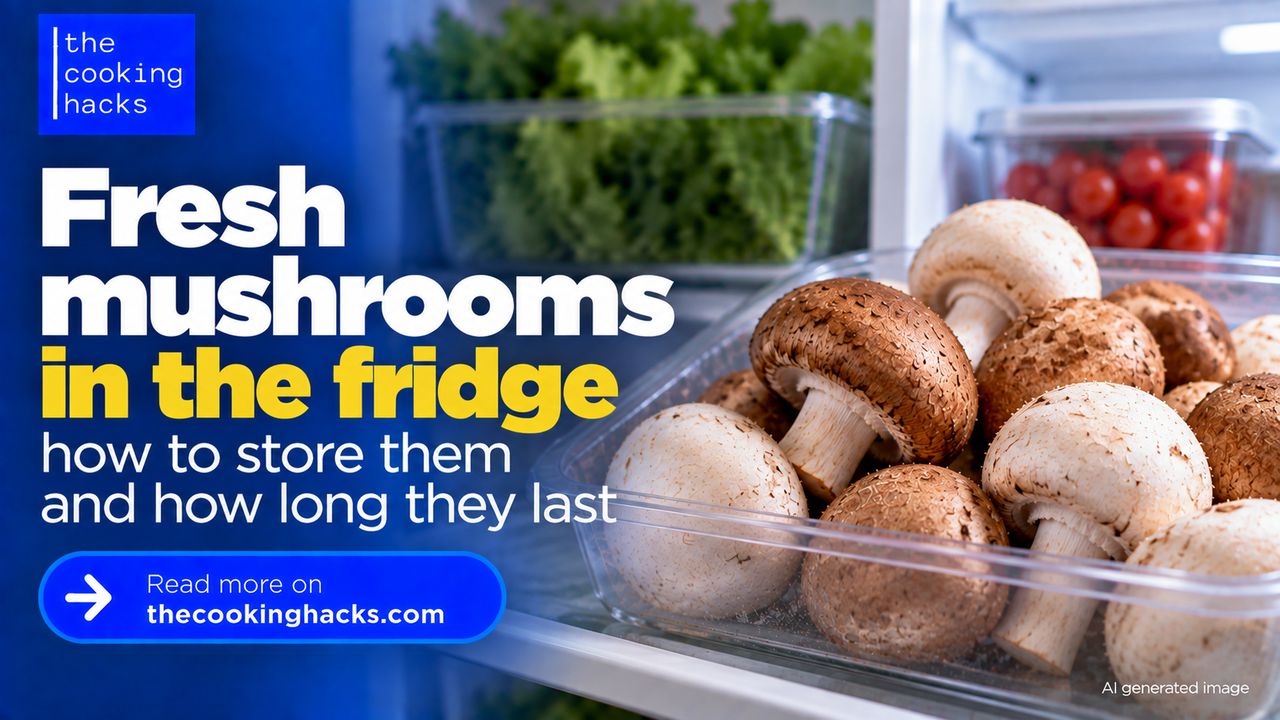
Fresh mushrooms are highly perishable, and their texture and appearance can change as they sit in storage. Refrigeration slows those changes, but practical recommendations need some local context: official guidance in the UK and US does not always address exactly…
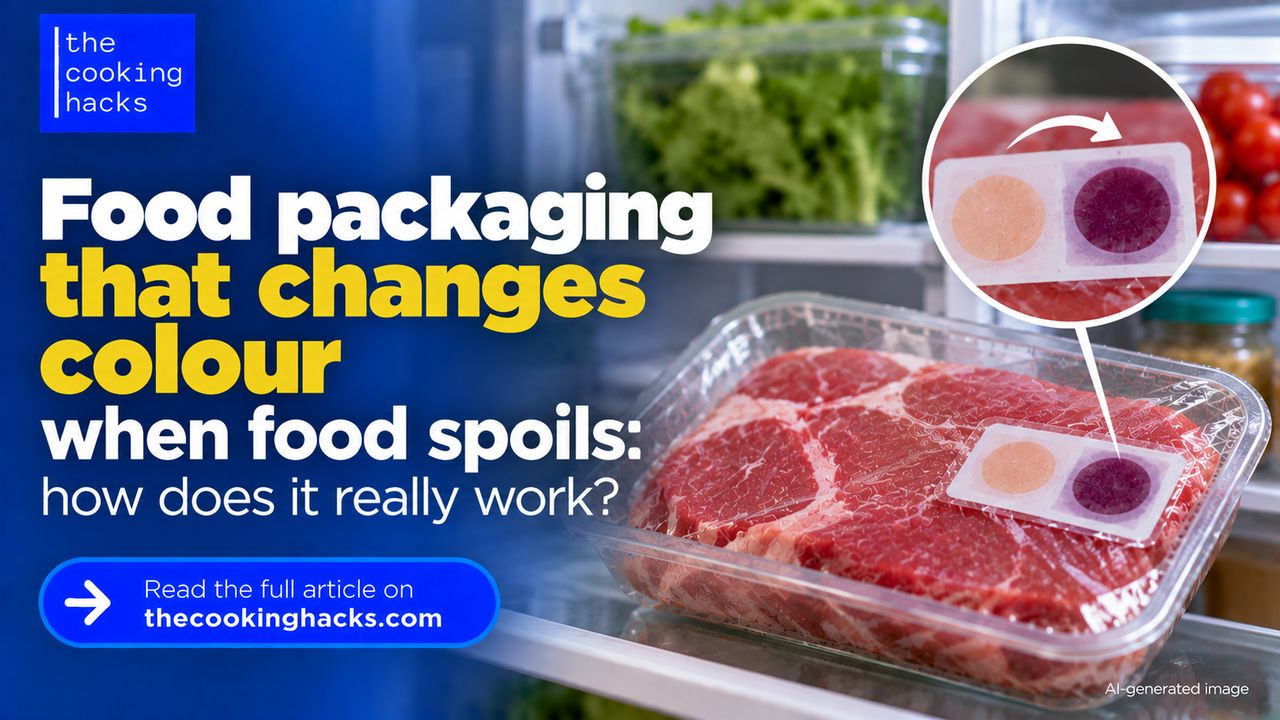
Food packaging that changes colour as food spoils: how does it work, what can it detect and what are its current limitations?

Whole winter squash can keep for months, while cut squash needs refrigeration. Here's what changes once you cut it.

Pesticides on fruit and vegetables: washing can reduce some residues but not remove them all. What a review of 47 studies actually found.
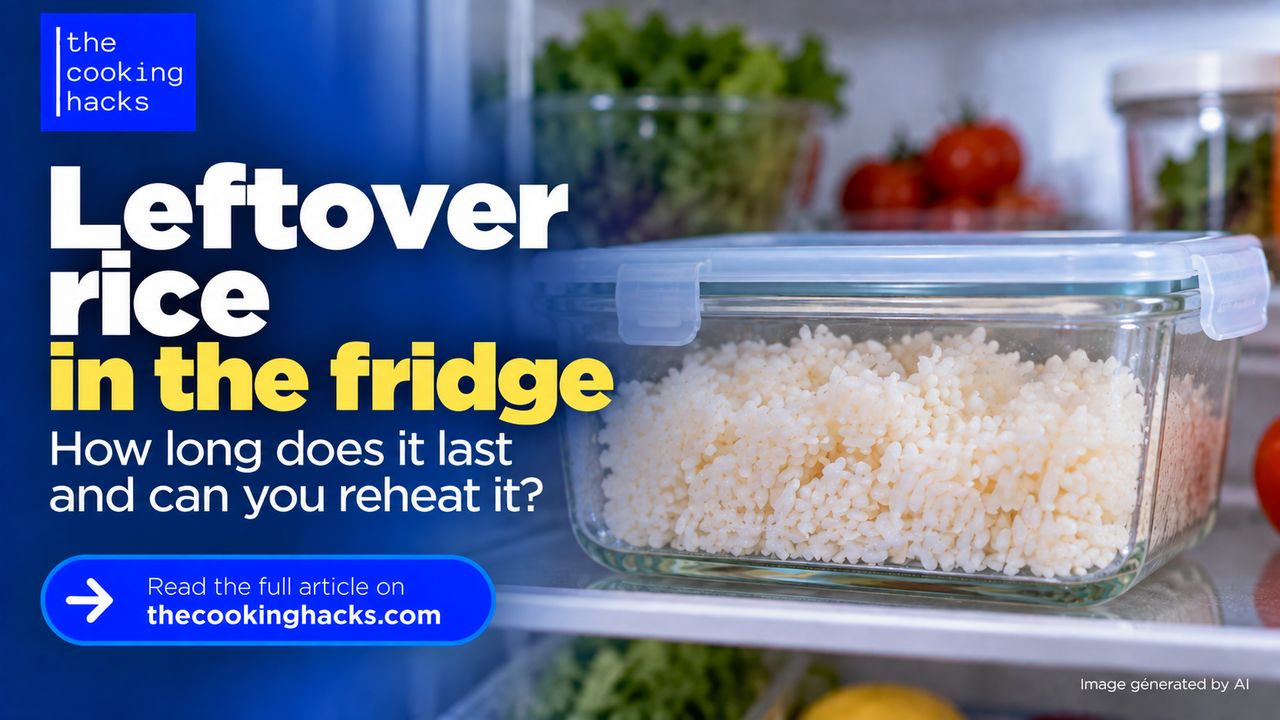
Leftover rice in the fridge, how long it lasts, how quickly to chill it and how UK and US guidance differs on storing and reheating rice.

Apples, bananas, berries, peaches, pears and kiwifruit do not all belong in the same place. Some keep longer in the fridge, while others need to ripen at room temperature first. But hiding all our fruit in the refrigerator can also make it easier to forget.

Nitrites do more than give cured meats their familiar colour and flavour: they also help preserve them. A new study shows what happened when sodium nitrite was reduced in one cooked turkey ham.

Cooling food too slowly, keeping leftovers too long or reheating them poorly can increase risks: here is what official guidance recommends.

A new scientific review looks at what freezing does to starch, water and gluten in dough, helping explain why bread and pizza can lose volume and change texture after frozen storage.
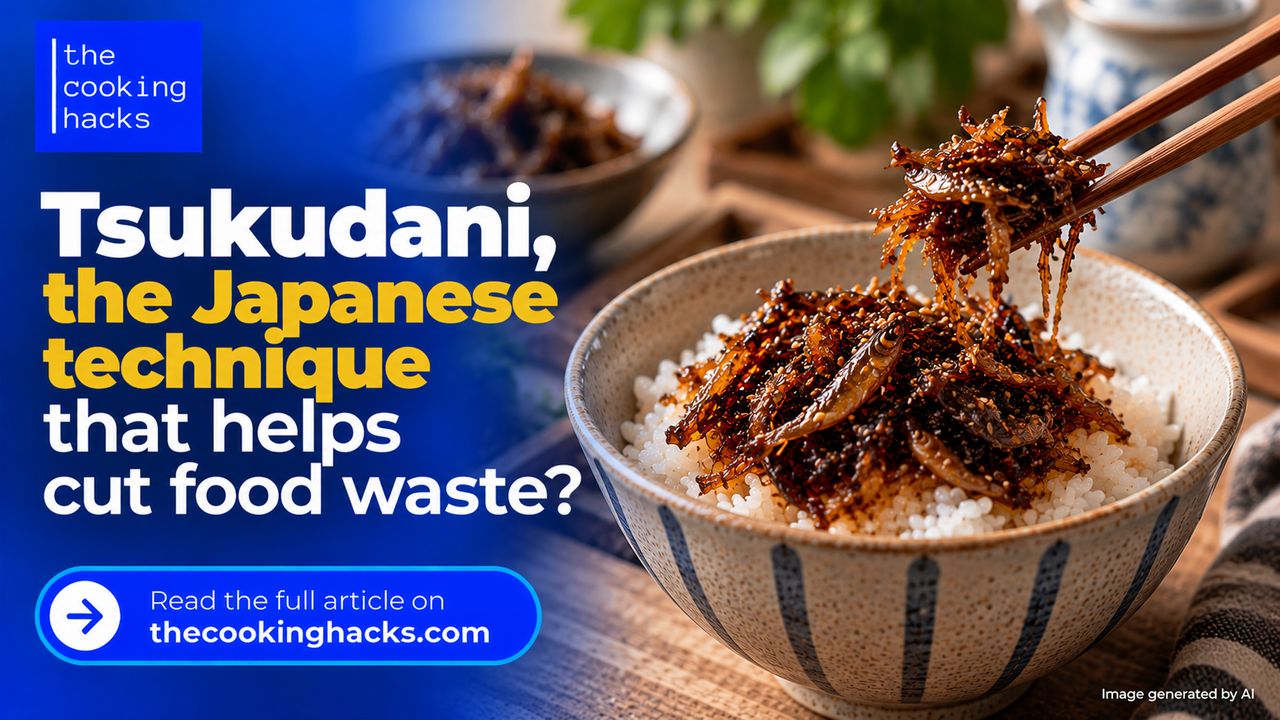
Soy sauce, mirin or sugar and slow simmering turn ingredients into tsukudani, a traditional Japanese preparation now being explored for plant-forward and low-waste cooking.